Looking for a Denver neighborhood that feels established, connected, and full of character? Park Hill stands out because it blends classic architecture, mature streetscapes, and everyday convenience in a way that feels distinctly local. If you are exploring where to live in Denver or thinking about buying or selling in this part of the city, understanding Park Hill’s style and rhythm can help you make a more confident decision. Let’s dive in.
Why Park Hill Feels So Distinct
Park Hill is often used as shorthand for Greater Park Hill, which includes Northeast Park Hill, North Park Hill, and South Park Hill. According to the Denver Public Library neighborhood history guide, the area is generally framed by Colfax Avenue, Colorado Boulevard, 52nd Avenue, and Quebec/Syracuse.
That broad footprint helps explain why Park Hill feels layered instead of one-note. The neighborhood rose east of central Denver and developed over time from former dairies and brickyards into a streetcar suburb and later an automobile suburb. Today, that history still shows up in the layout, the homes, and the way daily life moves through the area.
Denver planning materials describe Park Hill as a place where architecture, tree-lined streets, parkways, pedestrian-oriented commercial areas, and parks all matter. That combination gives the neighborhood a strong sense of continuity. You get an area that feels rooted in Denver’s past while still working well for modern life.
Park Hill Architecture Has Real Range
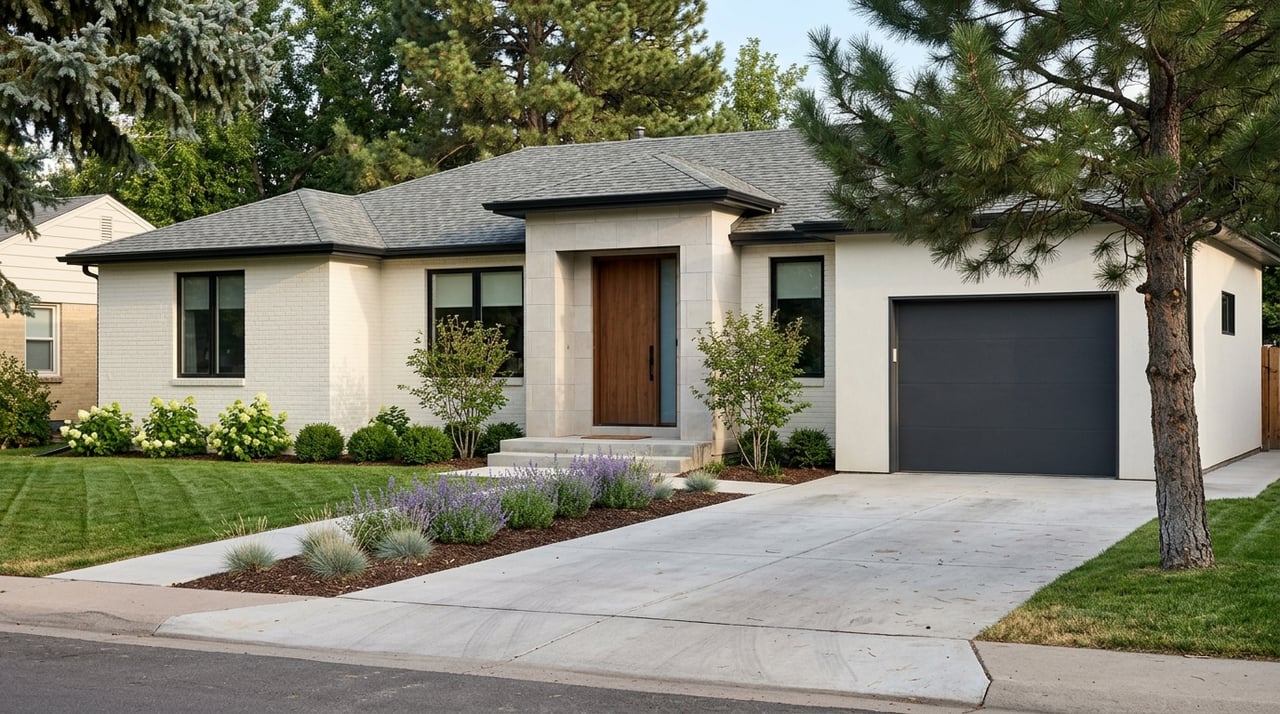
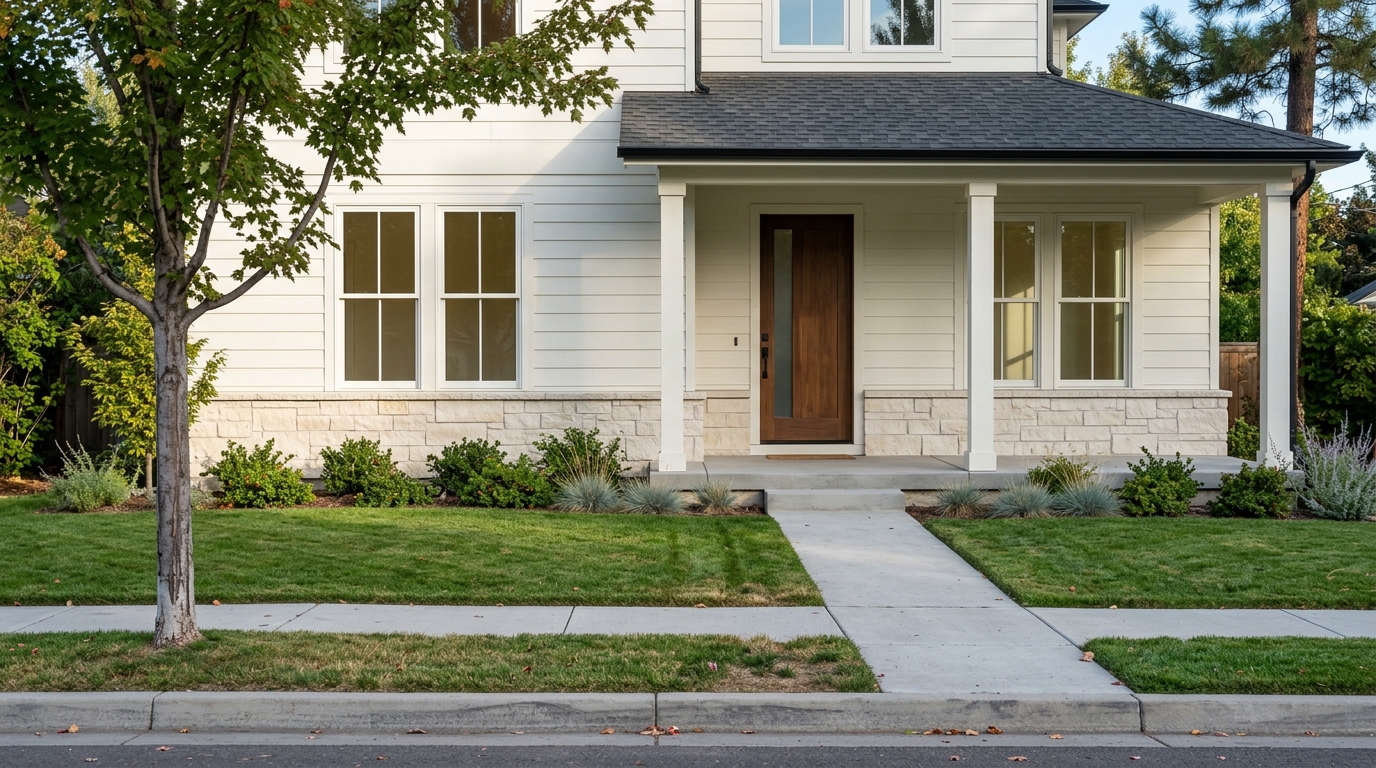
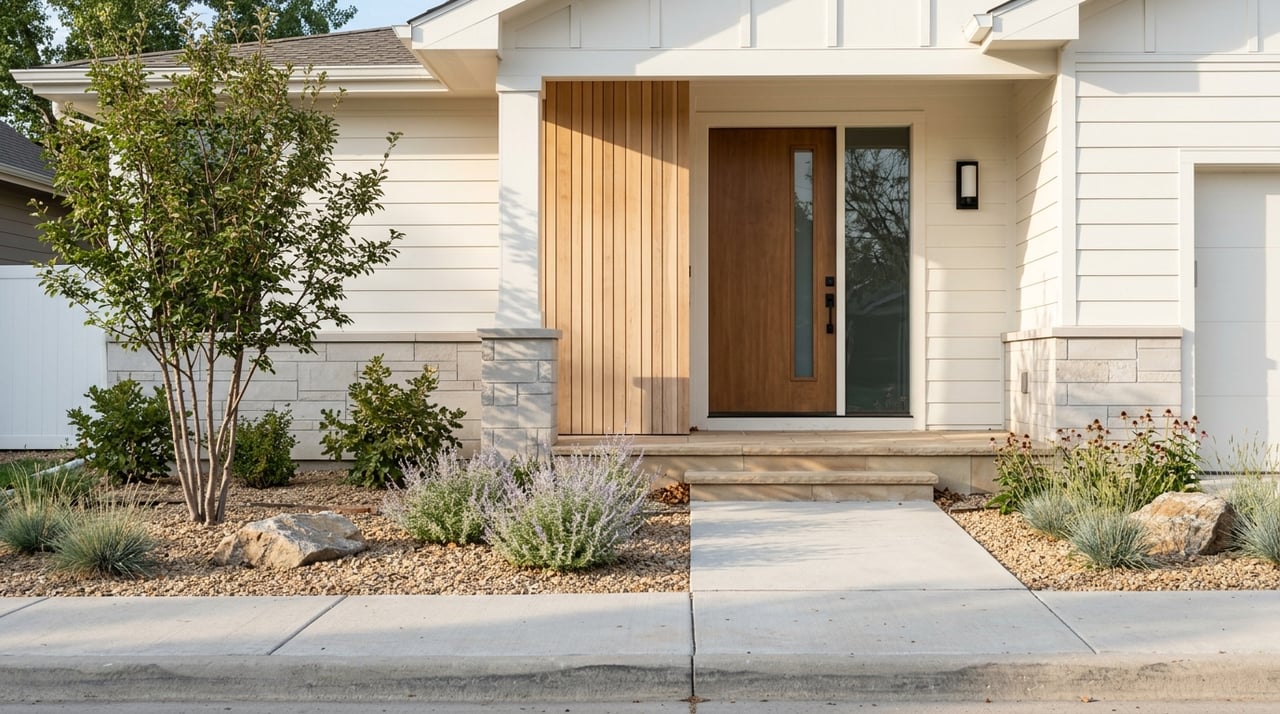
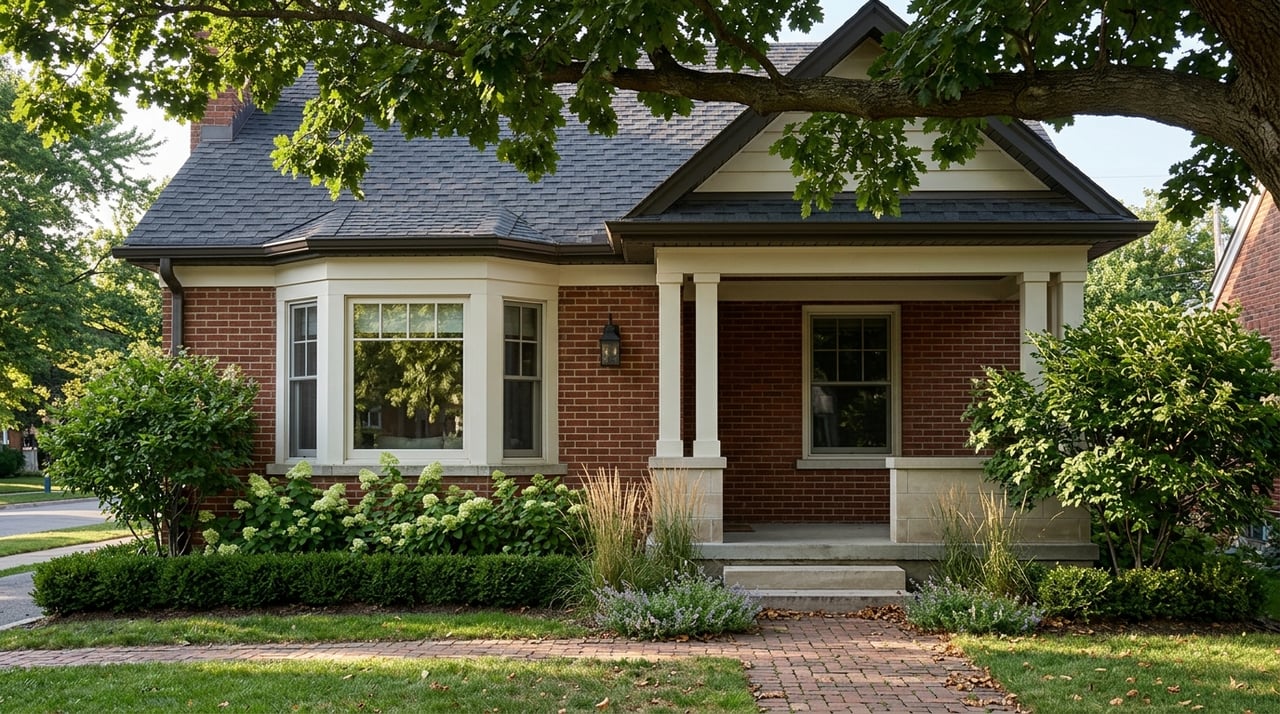
One of the biggest draws in Park Hill is that the architecture feels classic without feeling repetitive. The neighborhood is not locked into a single look, which makes it visually interesting and often appealing to buyers who want character.
The Denver Public Library notes that Park Hill saw major building periods in the 1920s and 1930s, then again in the 1940s and 1950s. Because of that, the housing stock spans several eras and styles rather than following one narrow pattern.
Historic Styles You May Notice
Across Park Hill, you may see a mix of:
- Victorian-era forms
- Arts and Crafts homes
- Modest mid-century homes
- Queen Anne detailing on some older properties
- Craftsman details, including brackets on Foursquare-style homes
This variety is part of the neighborhood’s appeal. If you appreciate streets where homes have their own identity, Park Hill often delivers that feeling.
Architecture Beyond Single-Family Homes
The neighborhood’s architectural character is not limited to houses. Local landmarks also help shape the look and feel of the area.
Examples noted by the Denver Public Library include the Spanish Colonial Revival design of Park Hill Elementary, the Spanish Mission Revival style of Park Hill United Methodist, and Mediterranean-influenced details at the historic Park Hill branch library. Together, these buildings reinforce the impression that Park Hill feels historic, but not frozen in time.
Tree-Lined Streets Shape Daily Life
Architecture is only part of the story. The public realm matters too, and Park Hill is known for tree-lined streets and parkways that contribute to its identity.
That kind of setting changes how a neighborhood feels on an ordinary day. A quick walk, a drive home, or a trip to a nearby coffee shop can feel calmer and more pleasant when the streetscape has maturity and visual depth.
Denver’s neighborhood planning vision for Park Hill specifically emphasizes preserving those tree-lined streets, pedestrian-oriented areas, and open space. For buyers, that often translates into a neighborhood experience that feels established rather than newly assembled.
Park Hill Lifestyle Is Convenient and Local
Another reason Park Hill stands out is how its retail and service life is organized. Instead of one long main street, the neighborhood works through smaller commercial nodes that support everyday routines close to home.
That matters because convenience often shapes how you experience a place more than any single big attraction. In Park Hill, grabbing coffee, picking up a meal, or knocking out errands can often happen within a neighborhood setting.
Oneida Park Brings Everyday Energy
Oneida Park, at 23rd and Oneida, is a full city block of neighborhood retail with seven local restaurants, seven service retailers, an outdoor courtyard, and seasonal programming. Its mix includes Esters at Oneida Park, DANG Soft Serve Ice Cream, Torpedo Coffee, Illegal Pete’s, The Local Butcher Market, plus service businesses such as a vet, dental studio, salon, and pet spa.
That setup gives the area a practical but social feel. It is not just a place to run errands. It also functions as a neighborhood gathering point, with summer live music and other seasonal activities.
Park Hill Commons Adds More Options
Park Hill Commons at 2898 Fairfax follows a similar pattern, combining dining and services in a compact local hub. Tenants include Trellis, Sexy Pizza, Copper Door Coffee, Sweets & Sourdough, Yuan Wonton, and service businesses such as a salon, dental studio, rehab clinic, and pet care providers.
Taken together, these retail clusters suggest a lifestyle that is convenient without feeling overly commercial. You are more likely to experience Park Hill through familiar local stops than through a single downtown-style corridor.
City Park Access Is a Major Perk
Park Hill’s location near City Park is one of its biggest lifestyle advantages. Denver planning materials point to the neighborhood’s connection to City Park, the Denver Museum of Nature & Science, and the Denver Zoo as major assets.
That proximity gives Park Hill an unusual balance. It feels residential, but it is also closely tied to some of Denver’s best-known public attractions and open spaces.
For many buyers, that means you are not choosing between a neighborhood feel and city access. In Park Hill, you can have both in the same daily routine.
Nearby Destinations That Add Value
City Park itself is a major draw, and it also hosts notable institutions. The Denver Zoo notes that its campus is within City Park, and the Denver Museum of Nature & Science includes its Nature Play experience there as well.
For someone relocating to Denver, this kind of access can be especially meaningful. It gives you more ways to enjoy weekends, explore the city, and feel connected to broader Denver life while still coming home to a residential neighborhood setting.
Civic Pride Runs Deep in Park Hill
Some neighborhoods have good housing stock and convenient amenities but still feel generic. Park Hill tends to feel different because it has a strong civic identity shaped by history, volunteer involvement, and neighborhood advocacy.
Greater Park Hill Community, Inc. describes itself as a volunteer-based registered neighborhood organization that supports the area’s character, vibrancy, resources, advocacy, quality of life, and history. The Denver Public Library also notes annual tours, neighborhood events, and a longstanding tradition of activism.
That civic thread adds something hard to measure but easy to notice. The neighborhood often feels cared for, remembered, and discussed by the people who live there.
A History That Still Shapes Identity
Park Hill’s history includes dairy farms, early aviation sites, and integration-era activism. The Denver Public Library notes organizing efforts through the Park Hill Action Committee and later Greater Park Hill Community, along with Rachel Noel’s school integration work as an important part of Denver’s civil-rights history.
For today’s buyers and sellers, the main takeaway is not just historical trivia. It is that Park Hill has long been a neighborhood with a distinct identity and an engaged community presence, which helps explain why it feels layered and established today.
What Park Hill May Offer Buyers
If you are considering a move to Park Hill, the neighborhood can appeal for several reasons:
- Architectural variety across multiple eras
- Tree-lined streets and parkways that create a mature setting
- Local retail clusters that support easy daily routines
- Access to City Park and major Denver destinations
- A strong neighborhood identity rooted in local history
For relocators, Park Hill can be especially appealing because it offers a recognizable Denver character. It feels connected to the city’s history and public attractions while still offering a residential environment with everyday convenience.
What Park Hill May Mean for Sellers
If you own a home in Park Hill, the neighborhood story matters. Buyers are often drawn not just to square footage or finishes, but also to the mix of architecture, streetscape, local amenities, and location.
That means thoughtful positioning can make a difference. A home in Park Hill may benefit from marketing that highlights both the property itself and the broader lifestyle, especially when architectural character, proximity to local retail nodes, and access to City Park are part of the appeal.
For sellers preparing to enter the market, presentation also matters in a neighborhood known for visual character. Strategic improvements and polished preparation can help a home feel aligned with what buyers already value about Park Hill.
Why Park Hill Continues to Attract Attention
Park Hill remains compelling because it offers more than one thing at once. It gives you classic Denver architecture, established streets, neighborhood-scale commerce, civic pride, and strong access to some of the city’s most recognized public spaces.
In other words, it is a neighborhood where everyday living and long-term appeal tend to reinforce each other. That is often what buyers hope to find, and what sellers can benefit from when a home is positioned well.
If you are thinking about buying or selling in Park Hill, working with a calm, strategic advisor can help you evaluate not just the home, but the lifestyle fit and market opportunity around it. When you are ready to talk through your next move in Denver, connect with Gregg Francis.
FAQs
What makes Park Hill architecture distinctive in Denver?
- Park Hill features housing from several building periods, especially the 1920s to 1930s and the 1940s to 1950s, with styles ranging from Victorian forms and Arts and Crafts homes to modest mid-century homes.
What is daily life like in Park Hill, Denver?
- Daily life in Park Hill often centers around small neighborhood retail clusters like Oneida Park and Park Hill Commons, where you can find coffee, casual dining, services, and seasonal community activity close to home.
What are Park Hill neighborhood boundaries in Denver?
- The Denver Public Library neighborhood history guide places Park Hill’s boundaries at Colfax Avenue, Colorado Boulevard, 52nd Avenue, and Quebec/Syracuse.
Why do buyers consider Park Hill in Denver?
- Buyers are often drawn to Park Hill for its architectural variety, tree-lined streets, neighborhood retail, strong civic identity, and access to City Park, the Denver Zoo, and the Denver Museum of Nature & Science.
Is Park Hill a historic-looking neighborhood or a uniform one?
- Park Hill generally feels historic but not uniform, because its homes and civic buildings reflect multiple eras and architectural influences rather than one consistent style throughout.