Wondering if Wheat Ridge gives you a smarter alternative to central Denver? If you are trying to balance space, price, commute, and everyday lifestyle, this is one of the most useful comparisons to make in the Denver area. The good news is that the choice is usually less about right versus wrong and more about which living experience fits you best. Let’s dive in.
Wheat Ridge vs. Central Denver
If you are comparing Wheat Ridge to central Denver, the biggest takeaway is simple: Wheat Ridge is not just a cheaper version of the city core. Based on current market snapshots and local housing patterns, it is better described as a close-in alternative that offers a different kind of home and daily routine.
That difference matters because buyers often start with price, then realize the real tradeoff is lifestyle. In this case, the main question is usually whether you want more space and more ground-oriented housing, or whether you want denser walkability and urban convenience.
Housing Types Feel Different
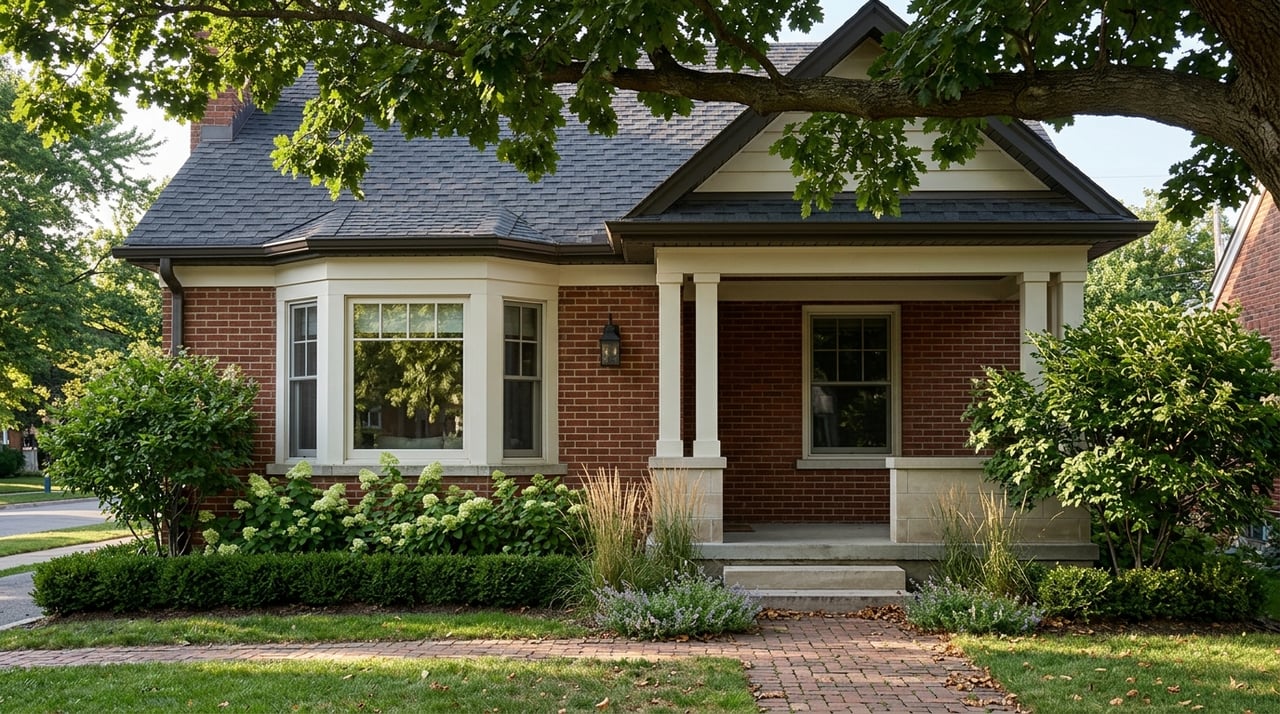
Wheat Ridge has an older housing base with a strong single-family presence. According to city data, nearly 80% of its single-family homes were built between 1940 and 1979, and only 12% were built in 1980 or later.
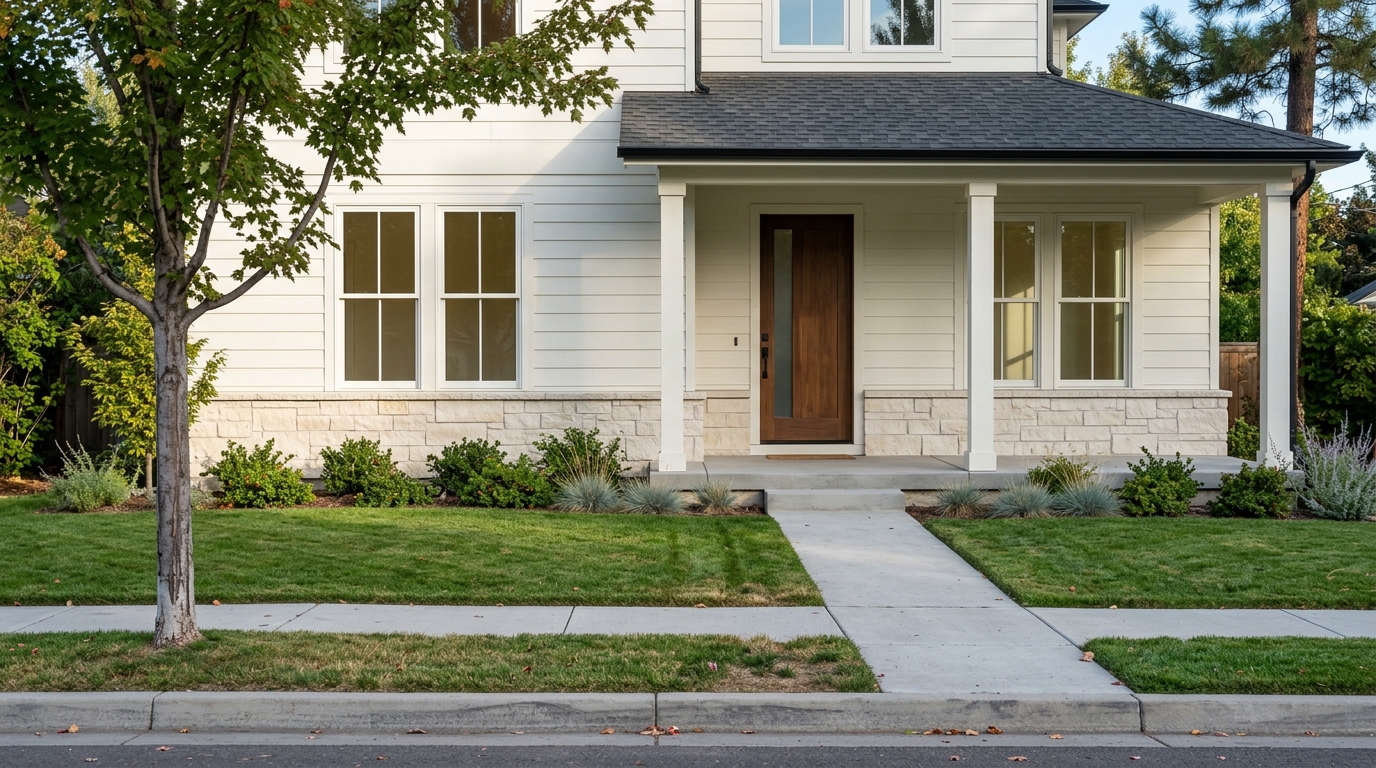
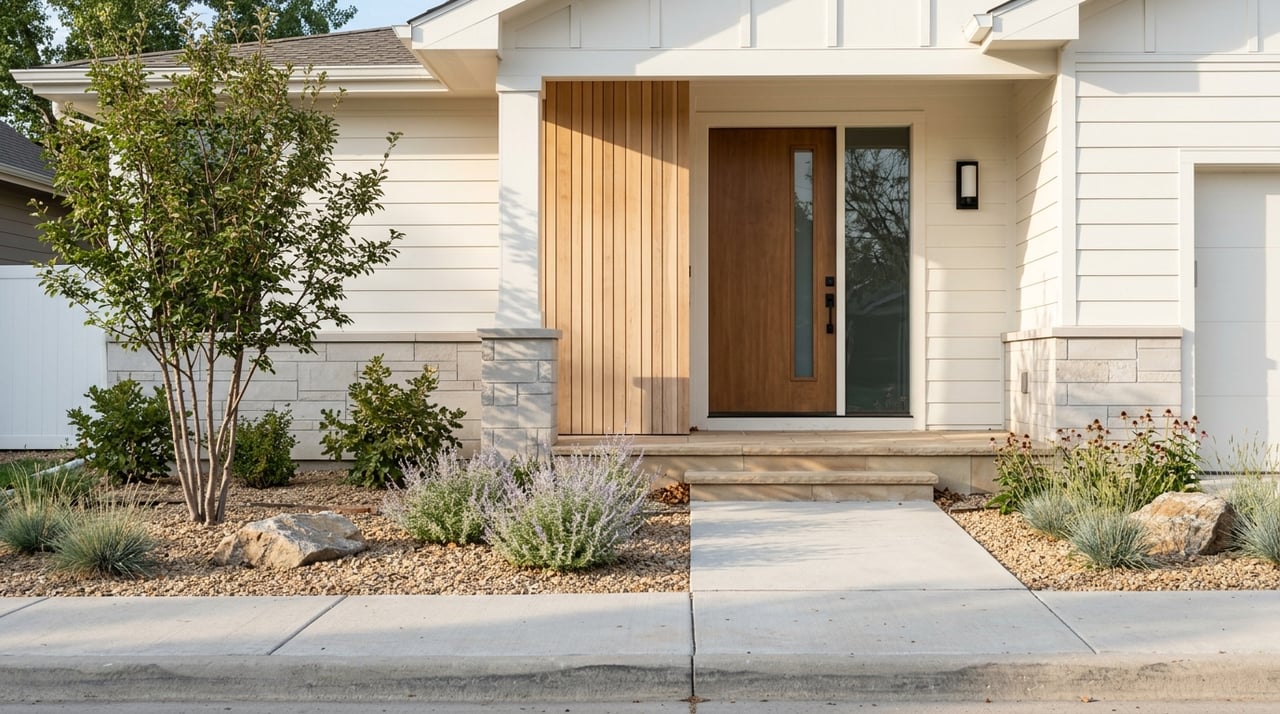
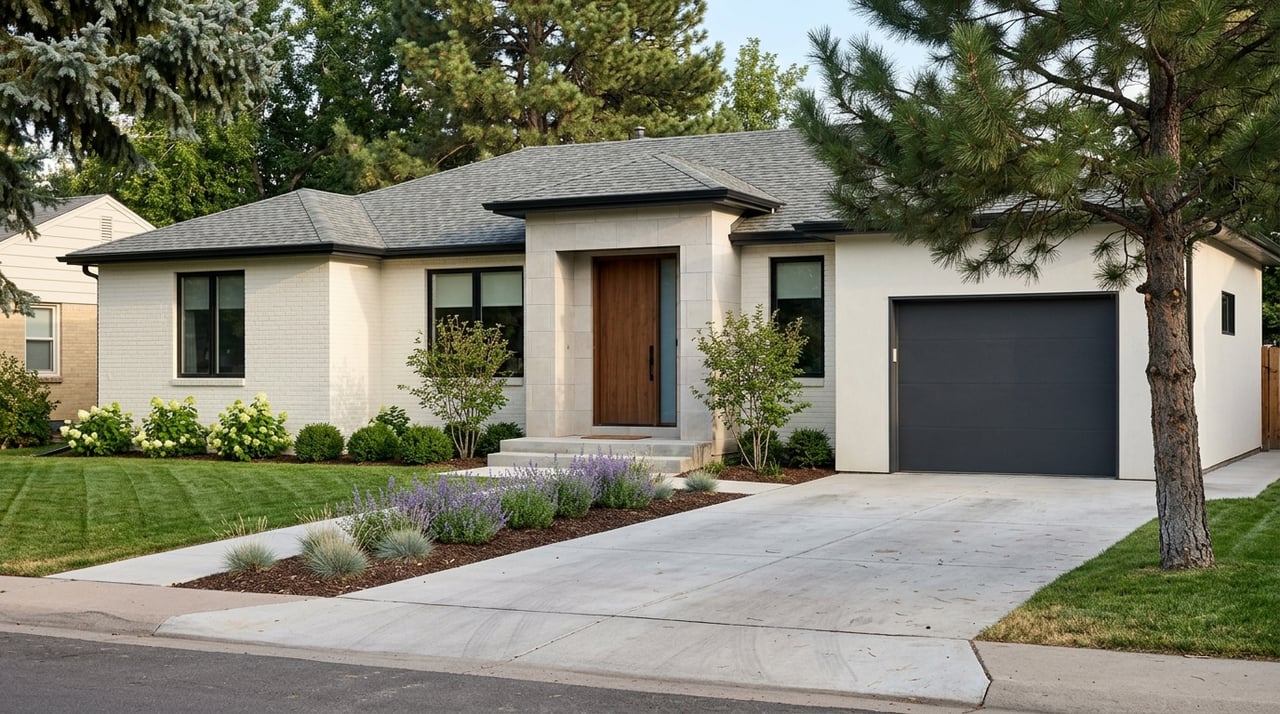
That older base is still being reshaped. In recent years, Wheat Ridge has added detached homes, small-lot homes, attached homes like townhomes and duplexes, and apartments near Ward Station and major corridors. Some newer projects even include homesites over one-quarter acre, which can be appealing if yard space or outdoor living is high on your list.
Central Denver tends to offer a different housing product. Neighborhoods like Capitol Hill, Uptown, LoHi, and LoDo are more closely tied to rowhouses, repurposed historic buildings, mixed-use blocks, and attached living.
For you as a buyer, that often means Wheat Ridge may offer more room around the home, while central Denver may offer a more urban format. Neither is automatically better. It depends on how you want to live day to day.
Prices Are Closer Than Many Expect
One of the most important facts in this comparison is that the price gap is not dramatic right now. Redfin’s recent market snapshot shows a median sale price of $624,626 in Wheat Ridge versus $599,798 in Central Denver.
That is why Wheat Ridge should not be framed as a bargain substitute. In the current market, you are often shopping in a similar broad price band, but looking at different housing styles, lot sizes, and surroundings.
Census data points in the same direction. The median value of an owner-occupied home is listed at $623,000 in Wheat Ridge compared with $616,000 in Denver city.
If you are hoping Wheat Ridge automatically means a lower purchase price, that may not be the right expectation. A better way to think about it is this: for a similar price point, you may be choosing between a more ground-oriented home in Wheat Ridge or a more urban setting in central Denver.
Market Speed Matters Too
The pace of the market can affect your strategy just as much as pricing. In the same Redfin snapshot, homes in Wheat Ridge sold in about 11 days, while homes in Central Denver sold in about 32 days.
That suggests Wheat Ridge is currently moving faster and acting as the more competitive market in this side-by-side comparison. If you are buying in Wheat Ridge, you may need to be especially clear on your priorities and ready to move quickly when the right home appears.
If you are selling, that speed can also shape timing and preparation. A well-positioned listing in a fast-moving market can benefit from strong pricing, clean presentation, and a clear understanding of what buyers value most in that area.
Commute and Transportation
Your daily routine may be the deciding factor between these two locations. Wheat Ridge is still largely car-oriented, and the city openly identifies transportation as a challenge in a car-centric community.
At the same time, Wheat Ridge does have a meaningful transit asset. The RTD G Line connects Wheat Ridge Ward Station to Denver Union Station, which gives you a rail option into downtown.
For many buyers, that creates a practical middle ground. You can live in a more space-oriented environment while still having a transit connection available when it makes sense.
Central Denver supports a different rhythm. Downtown and nearby neighborhoods are built around shorter trips, greater walkability, and easier access to restaurants, cultural venues, parks, shopping, and entertainment.
If you want a lifestyle where more of your daily errands or social plans can happen on foot or with a short ride, central Denver has a clear advantage. If you are comfortable with a car-first routine and want more breathing room at home, Wheat Ridge may feel more natural.
Lifestyle and Amenities
Wheat Ridge offers a lifestyle that feels more spread out and recreation-focused. The city maintains 21 parks, more than 170 acres of parks, seven miles of trails, and 300 acres of open space, with Clear Creek Trail improvements and access to nearby open-space options like Crown Hill Park.
That kind of setting can be a strong fit if you want outdoor access woven into your week. It also supports the idea that Wheat Ridge appeals to buyers looking for room to live, not just a place to sleep between city outings.
Its dining and shopping pattern is different from central Denver’s. Rather than a dense urban core, Wheat Ridge is still more corridor-based, though the city’s vision for West 38th Avenue is to create a more vibrant main street with small shops, restaurants, residences, and a more pedestrian-friendly environment.
Central Denver offers a denser concentration of amenities today. Areas like Capitol Hill, the Golden Triangle, LoHi, and downtown cluster dining, nightlife, museums, parks, and entertainment in a way that supports a highly urban lifestyle.
So if your ideal Saturday includes walking to coffee, browsing shops, meeting friends for dinner, and catching an event without driving much, central Denver likely aligns better. If your ideal weekend includes more yard time, trail access, and a home that feels less compact, Wheat Ridge may be the stronger match.
Who Wheat Ridge Fits Best
Wheat Ridge can make a lot of sense if you want a close-in location but do not need the most urban version of Denver living. It is especially appealing when your priorities lean toward space, yard potential, detached housing, and access to parks or trails.
You may also prefer Wheat Ridge if you like the idea of a neighborhood that is still evolving. The housing mix has broadened in recent years, and areas like West 38th Avenue reflect a city working toward a more active, pedestrian-friendly main street feel.
For relocators, this can be an attractive middle option. You stay close to Denver while potentially gaining a different home style and a little more room to spread out.
Who Central Denver Fits Best
Central Denver is usually the better fit if you care most about walkability, dense amenity access, and a strong urban atmosphere. It is the stronger choice for buyers who want restaurants, entertainment, and cultural destinations packed into a compact area.
It may also be a better match if you prefer attached housing, historic character in urban neighborhoods, or a daily routine with less dependence on a car. In that sense, central Denver offers convenience through proximity, while Wheat Ridge offers convenience through space and access.
That is why this comparison works best when you start with lifestyle, not assumptions. If you begin by asking how you want your home and neighborhood to function, the right answer usually becomes much clearer.
How To Decide Between Them
If you are torn between Wheat Ridge and central Denver, focus on a few practical questions:
- Do you want more indoor and outdoor space?
- Are you hoping for a detached home or a larger lot?
- How important is walkability for daily life?
- Are you comfortable with a car-first routine?
- Would you rather have trails and open space nearby, or dense dining and entertainment nearby?
- Are you looking for an established urban environment or a close-in area with ongoing change and growth?
These questions often reveal more than a simple price comparison. In this case, the better value is often the place that matches your routine, not the one you assume should cost less.
The Bottom Line
Wheat Ridge can absolutely be the right alternative to central Denver, but not because it is a dramatic discount. The stronger case for Wheat Ridge is that it gives you a different housing product for a similar broad price range, often with more room, more ground-oriented living, and strong access to parks and trails.
Central Denver still stands out for buyers who want the most walkable, amenity-rich, urban version of life near the core. Wheat Ridge stands out for buyers who want to stay close while shifting the balance toward space, yard potential, and a slightly less dense everyday feel.
If you are weighing both, the best move is to compare not just neighborhoods, but how each option supports the way you actually want to live. If you want help sorting through that decision with a clear, local strategy, Gregg Francis can help you compare options across Wheat Ridge, Denver, and nearby communities.
FAQs
Is Wheat Ridge cheaper than central Denver?
- Not necessarily. Current market snapshots in the research show Wheat Ridge and Central Denver in a similar price band, so the main difference is often housing type, lot size, and lifestyle rather than a major price discount.
What kind of homes are common in Wheat Ridge?
- Wheat Ridge has an older housing base with many single-family homes built between 1940 and 1979, along with newer detached homes, small-lot homes, attached homes, and some apartments added in recent years.
Is central Denver more walkable than Wheat Ridge?
- Yes. Based on the research, central Denver offers a more walkable, compact urban environment with easier access to dining, entertainment, parks, and cultural attractions.
Does Wheat Ridge have transit access to downtown Denver?
- Yes. The RTD G Line connects Wheat Ridge Ward Station to Denver Union Station, giving residents a rail option into downtown.
Who is Wheat Ridge a good fit for?
- Wheat Ridge is often a good fit if you want more space, more ground-oriented housing, yard potential, and access to parks and trails while staying close to Denver.
Who is central Denver a better fit for?
- Central Denver is generally a better fit if you want dense walkability, a strong urban feel, and a high concentration of restaurants, entertainment, and cultural amenities nearby.