Choosing a Littleton neighborhood can feel simple at first, until you realize “Littleton” does not always mean the same thing on a map, a mailing address, or a daily commute. If you are trying to balance lifestyle, budget, home style, and convenience, it helps to slow down and compare the right details before you fall in love with a specific block. This guide will help you sort through Littleton’s neighborhood pockets, understand the tradeoffs, and build a smarter shortlist for your move. Let’s dive in.
Start With the Right Littleton Map
One of the most important first steps is confirming what “Littleton” actually means for the homes you are considering. The City of Littleton notes that USPS uses the name Littleton across several local communities and ZIP codes, and some of those areas are only partially within city limits and may fall in more than one county.
That matters because your search can get off track if you assume a Littleton mailing address automatically means the same city services, planning area, or neighborhood context. Before narrowing your options, confirm the actual jurisdiction and location of any address you are considering.
Focus on Lifestyle, Not Just Price
Littleton is not one uniform housing market. The city’s planning documents break it into distinct character areas, including downtown, the South Platte corridor, Littleton Boulevard, Broadway, Belleview, Santa Fe, and Mineral.
In practical terms, that means the “right” neighborhood usually comes down to your daily routine and your preferred tradeoffs. A great fit for one buyer may feel completely wrong for another, even if both homes are in Littleton.
Ask Yourself the Right Questions
Before touring neighborhoods, think through what matters most to your day-to-day life:
- Do you want a walkable, older-core setting or a quieter suburban street pattern?
- Is rail access important, or do you mainly drive?
- Would you rather have a larger yard or newer construction?
- Do you want to be close to trails and open space?
- Are you comfortable with the upkeep and possible review rules that can come with historic properties?
These questions will help you compare neighborhoods based on fit, not just appearances.
Compare Commute Patterns First
For many buyers, commute habits quickly narrow the search. In Littleton, the major driving corridors to compare include Santa Fe Drive/US-85, Broadway, Littleton Boulevard, Belleview Avenue, and Mineral Avenue.
These are not just regular neighborhood streets. The city’s planning documents identify them as major mobility and development corridors, which means access, traffic flow, and future change can all shape how a specific area feels over time.
Rail Access in Littleton
If transit matters to you, the two main Littleton stations are Littleton/Downtown at 5777 S Prince St and Littleton/Mineral at 3203 W Mineral Ave. Both are park-n-ride facilities with bus and FlexRide connections, and both serve the D Line.
The Downtown station has four bus routes plus rail service, while the Mineral station has one bus route plus rail service. If you want station access to be part of your lifestyle, it is worth comparing how each stop connects to the rest of your routine.
Verify Live Transit Service
Rail-dependent buyers should not rely on an older schedule or a general assumption about service. RTD is actively adjusting rail service as part of the Downtown Rail Reconstruction Project, so it is smart to verify current service before making a neighborhood decision based heavily on train access.
That is especially important if you are relocating and trying to recreate a commute from a distance. A station-adjacent home can be a strong fit, but only if the real service pattern works for your needs.
Downtown Littleton for Historic, Walkable Character
If you are drawn to older homes, a more traditional downtown pattern, and a neighborhood with visible historic character, Downtown Littleton may stand out. The Downtown Littleton Historic District includes Main Street, Alamo Avenue, and the streets in between.
The city describes this district as an area recognized for its distinctive cultural, social, and architectural history. That can create a strong sense of place, but it also means exterior changes are reviewed under the preservation code.
What to Expect Near Main Street
Littleton Town Hall sits in the center of Main Street and is described by the city as a focal point of the downtown area. If you are looking for a walkable, older-core environment, you should expect more historic fabric and a less conventional suburban street pattern.
For some buyers, that is exactly the appeal. For others, it may feel less predictable than a newer subdivision with wider streets and more uniform lot layouts.
Louthan Heights and Historic Homes
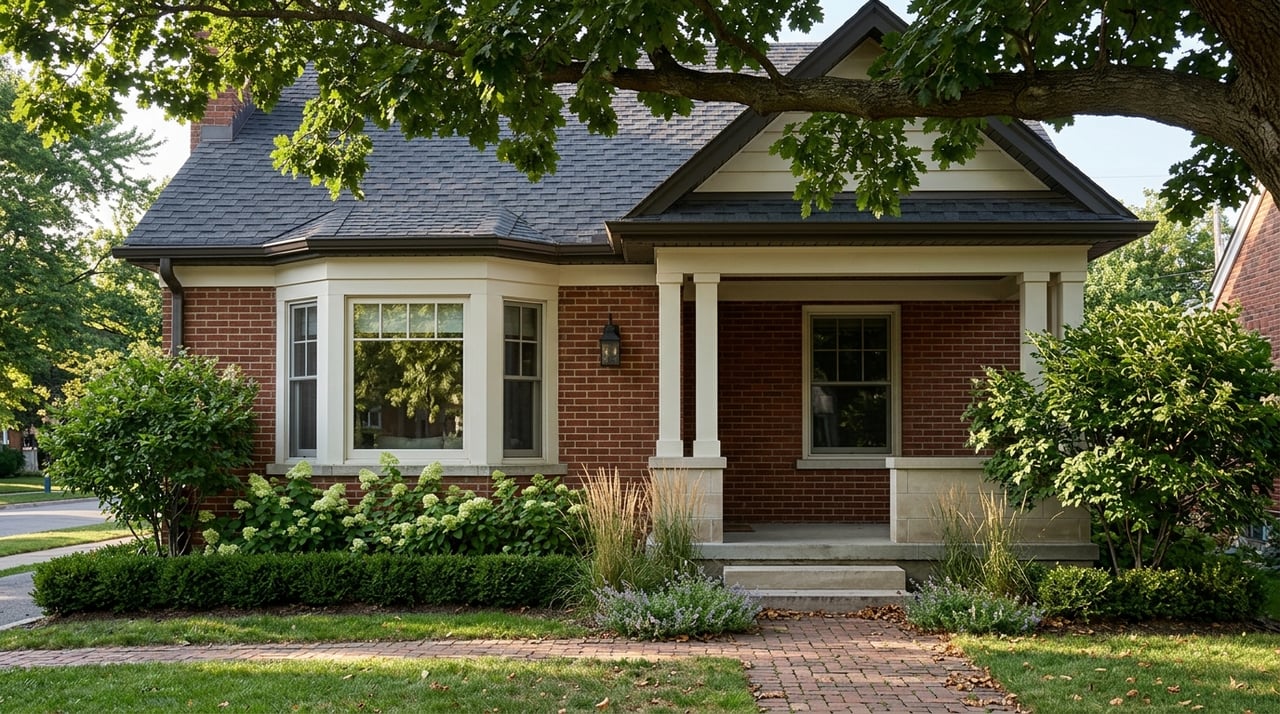
Louthan Heights, on the 5600 block of South Louthan Street, is Littleton’s first local historic landmark district. The city says 13 of its 17 residences were built between 1921 and 1929, and the district is known for Craftsman-style homes with broad porches, clipped gables, overhanging eaves, and exposed rafters.
If you love architectural character, this type of pocket can be very appealing. Just remember that historic homes may come with more maintenance and preservation review requirements for exterior work.
North-Central Littleton for Housing Variety
If you want more housing diversity, north Littleton near Littleton Boulevard and Broadway offers a broader mix of home types than many older suburban pockets. According to the city, this area includes detached homes, duplexes, townhomes, patio homes, apartments, and planned developments.
That variety can be helpful if you are trying to stay flexible on home style while keeping your search focused on one part of town. It can also open more paths for first-time buyers, downsizers, or buyers who want lower-maintenance options.
Littleton Boulevard’s Distinct Identity
The Littleton Boulevard corridor also has a clear architectural story. The city has studied it as Littleton’s “Mid Mod Mile,” noting substantial growth from 1950 to 1980 and documenting the corridor’s mid-century commercial modernism.
Even if you are not buying directly on the corridor, nearby areas can reflect that era’s development pattern and neighborhood feel. That can be a plus if you appreciate mid-century character and a more established part of town.
Older Suburban Pockets for Detached Homes and Yards
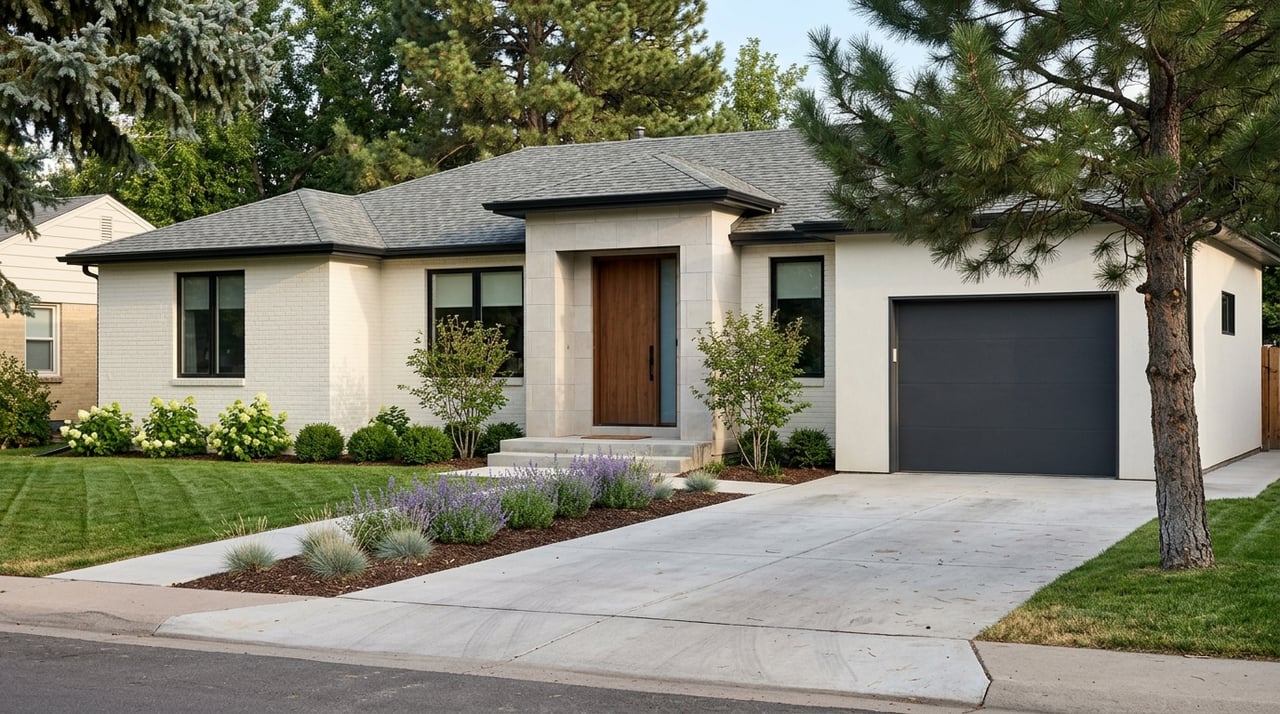
If your priority is a detached home, larger lot, and a more classic residential setting, older suburban pockets may be the better fit. Littleton’s historic survey describes Ridgewood and Ridgewood Park as having curvilinear streets, cul-de-sacs, large lots, and Colonial and ranch-style homes.
Bel-Vue Heights is similar, with curving streets, large lots, and development dating to the early 1960s. These areas generally make more sense for buyers who value yard space and a traditional suburban layout over walk-to-downtown convenience.
Why These Areas Appeal to Buyers
In many of these neighborhoods, the draw is not density or mixed-use access. It is the residential feel, the lot patterns, and the detached-home setting.
If that matches your goals, these pockets may deserve a close look. They can offer a different lifestyle than downtown or station-adjacent areas, even when the drive between them is relatively short.
Newer Mixed-Use Pockets for Convenience
If you prefer newer housing options and a denser mix of uses, Littleton also has newer and evolving pockets to consider. Littleton Village is one example, and the city describes it as a relatively recent development with different housing types that can change block by block.
On one side of Pennsylvania Street, the city notes multi-story attached homes with a more urban character. On the other, there are detached homes with front-facing garages and driveways, which shows how much the feel can vary even within one development.
Mineral and Santa Fe Growth Areas
RiverPark, at the southwest corner of Santa Fe and Mineral, is planned as a 33.34-acre commercial mixed-use project with retail, restaurants, services, multifamily residential, and a “Modern Agrarian” aesthetic tied to historic downtown and the South Platte corridor.
The city’s south Littleton pipeline also includes Mineral Place and related Santa Fe and Mineral improvements. That suggests this area may continue to evolve, which is worth keeping in mind if you are looking for a neighborhood with a more settled profile versus one with ongoing change.
Trail Access Can Change Your Shortlist
For many buyers, outdoor access is not a bonus. It is part of daily life. In Littleton, trails are managed by South Suburban Parks and Recreation, and the city identifies High Line Canal and Mary Carter Greenway as the backbone of the trail network.
Big Dry Creek and C-470 trails serve the city’s edges, while Lee Gulch links the two major regional trails through central Littleton. If trail access matters, it can become one of the strongest neighborhood filters in your search.
South Platte Park Lifestyle
South Platte Park is a major open-space feature along the South Platte River and the Mary Carter Greenway Trail. It includes river access, wildlife viewing, fishing, kayaking, and natural-surface trails.
For buyers who want regular access to outdoor recreation, proximity to this corridor can be a major lifestyle differentiator. Areas near the South Platte corridor may feel very different from neighborhoods that are more inward-facing and car-dependent.
Do Not Assume Every Trail Is Easy to Reach
This is one of the most overlooked details in a Littleton home search. The city’s trail study says the network is segmented in places, so you should not assume a trail is practically accessible just because it appears close on a map.
A nearby green line on your phone may still require crossing major arterial roads or rail corridors. If trail use is part of your daily plan, test the actual route, not just the straight-line distance.
Use a Simple Shortlist Framework
The easiest way to choose the right Littleton neighborhood is to sort areas by tradeoffs. The city’s planning framework supports this approach because Littleton includes very different pockets rather than one single neighborhood type.
Here is a practical way to think about your shortlist:
- Walkability and historic character: Downtown Littleton, Main Street area, and nearby Louthan Heights
- Classic detached suburban feel: Ridgewood, Ridgewood Park, Bel-Vue Heights, and similar older south or west pockets
- Transit-adjacent and newer mixed-use living: Littleton Village, Mineral/Santa Fe area, and RiverPark
- Trail-first outdoor lifestyle: Areas near South Platte Park and the Mary Carter Greenway corridor
Think in Tradeoffs, Not Superlatives
The best neighborhood in Littleton is usually not the one with the most buzz. It is the one that best matches your priorities around commute, home style, maintenance, outdoor access, and daily convenience.
In many cases, the smartest question is not “What is the best neighborhood?” It is “Which tradeoffs fit the life I want to live?” That mindset leads to better decisions and fewer surprises after you move.
If you want help narrowing your Littleton search with a calm, strategic approach, Gregg Francis can help you compare neighborhoods based on the way you actually want to live.
FAQs
What should you confirm about a Littleton address before choosing a neighborhood?
- Confirm whether the address is actually within Littleton city limits, since a Littleton mailing address may apply to areas across multiple communities, ZIP codes, and counties.
Which Littleton neighborhoods fit a walkable historic lifestyle?
- Downtown Littleton, the Main Street area, and nearby historic pockets like Louthan Heights are the strongest fit for buyers who want older homes and a more walkable, historic setting.
Which Littleton areas may suit buyers who want detached homes and larger lots?
- Older suburban pockets such as Ridgewood, Ridgewood Park, and Bel-Vue Heights may be a better fit if you want detached homes, larger yards, and a more traditional residential layout.
Which Littleton neighborhoods are best for transit access?
- Buyers who want transit access should compare areas near Littleton/Downtown Station and Littleton/Mineral Station, then verify current RTD service before making a decision.
What should trail-focused buyers know about Littleton neighborhoods?
- If trails are part of your daily lifestyle, check actual access to the Mary Carter Greenway, High Line Canal, or South Platte Park corridor, because some trail connections are segmented and may require crossing major roads or rail lines.