If you want a home base that keeps both Denver and Boulder within reach, Broomfield deserves a serious look. For many relocators, the challenge is finding a place that feels practical day to day, with enough housing choice, commuting flexibility, and outdoor access to support real life. This guide will help you understand how Broomfield fits into the region, what living here can feel like, and what to consider before you move. Let’s dive in.
Why Broomfield Stands Out
Broomfield sits between Denver and Boulder along the US 36 corridor, which gives it a natural advantage for people who want regional access without living in the middle of either city. The city and county has about 78,323 residents across 34 square miles, which creates a suburban scale with meaningful job, retail, and recreation options close by.
What makes Broomfield especially appealing is that it is not just a place people sleep and commute from. The city reports more than 40,000 employees working in over a thousand businesses and organizations, which supports a more balanced live-work feel.
Commuting From Broomfield
For many buyers relocating to the Front Range, commute options can shape everything from your home search to your daily routine. Broomfield is well positioned for that conversation because it sits directly on the main Denver-Boulder corridor.
US 36 Connects Denver and Boulder
US 36 is the primary highway connection between Denver and Boulder, and Broomfield sits right along it. If your work, family, or lifestyle pulls you in both directions, that in-between location can make a big difference.
The Census estimates the mean travel time to work for Broomfield workers age 16 and older at 25.5 minutes. That does not guarantee your exact commute, of course, but it gives helpful context for the market overall.
Flatiron Flyer Expands Transit Options
If you prefer not to drive every day, Broomfield has strong transit infrastructure for a suburb. RTD’s Flatiron Flyer is an 18-mile bus rapid transit line with 6 stations and 4,200 parking spaces, running between downtown Denver and Boulder through Broomfield.
The FF1 route runs every 15 minutes from 5 a.m. to 6 p.m., which can make transit a realistic option for many schedules. US36/Broomfield Station includes 940 parking spaces and serves 9 bus routes plus 2 FlexRide routes.
Local Transit Adds Flexibility
Beyond the main corridor, the city lists several local transit choices, including US 36 BRT, fixed-route transit on US 287 and 120th Avenue, FlexRide, Access-A-Ride, and Broomfield Easy Ride. If you are relocating from out of state, that kind of layered network can make the adjustment easier while you learn the area.
Everyday Life in Broomfield
Relocation is not only about commute maps and home prices. It is also about what your life feels like on a Tuesday afternoon, a Saturday morning, or a quick evening out.
Open Space Is a Major Lifestyle Perk
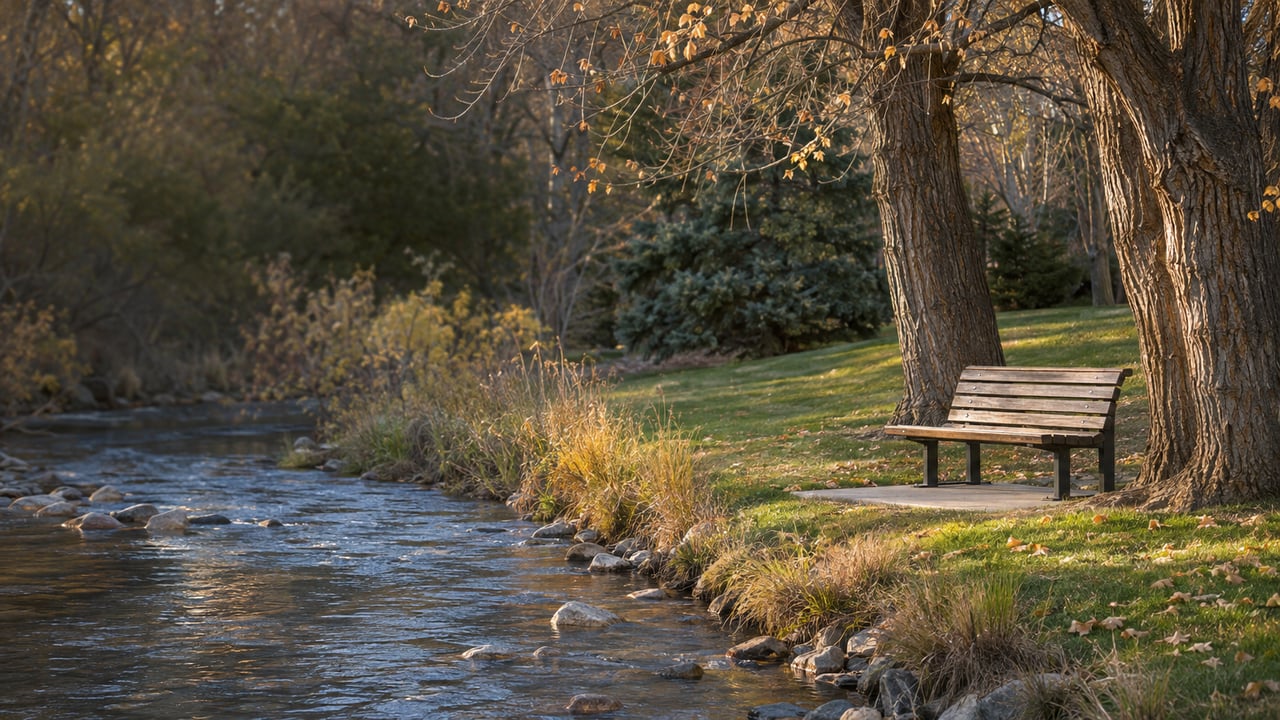
Broomfield tracks 8,699 acres of public and private open lands as of March 2026, which equals about 36% of its planning area. The city also reports 396 trail miles, including 143 miles of multi-use paths and 97 miles of on-street bike lanes.
That scale matters because it means outdoor access is built into everyday life rather than treated like an occasional bonus. Whether you like walking, running, biking, or simply having room to breathe nearby, Broomfield offers a lot of it.
Trails Support Recreation and Daily Movement
The city’s trail system is designed for both commuters and recreational users. It connects neighborhoods, commercial areas, public facilities, open space, and other key destinations.
The US 36 corridor also includes a parallel multi-use path and bike-n-ride shelters. Significant trail sections already pass through areas like Interlocken, Lilac Park, Wildgrass, and Anthem, which can be useful if trail access is high on your wish list.
Parks and Playgrounds Are Spread Across Town
Broomfield says it has more than 700 acres of developed parks and 45 playgrounds. Amenities are distributed across locations such as Anthem Community Park, Broadlands West Park, Broomfield County Commons Park, Interlocken, and Wildgrass Park.
That broad park network supports a lifestyle that often feels active and convenient. You are not relying on one central destination for green space because options are spread through different parts of the city.
Dining and Retail Continue to Grow
For day-to-day convenience, Broomfield offers a mix of established local dining and expanding retail districts. The city maintains an Eat Local Restaurant Guide for locally owned businesses, and the FlatIron Crossing area continues to add new dining, retail, and entertainment space.
If you want a suburb with services close at hand, this is one reason Broomfield often ends up on relocation shortlists. It offers practical access to errands, meals, and entertainment while still maintaining a more residential feel in many areas.
Housing Options in Broomfield
One of Broomfield’s strengths is variety. Whether you want a first home, a lower-maintenance setup, a larger move-up property, or a rental while you get settled, the city offers multiple paths.
The Housing Mix Is Broad
According to the city’s housing needs assessment, 63% of Broomfield’s housing stock is detached single-family homes. Another 16% is apartments or condos with 5 to 49 units, and 12% is apartments with 50 or more units.
That mix helps explain why Broomfield appeals to more than one type of buyer. You can find traditional suburban housing, attached options, and rental inventory within the same city.
Price and Tenure Context Matter
Census QuickFacts estimates a 62.7% owner-occupied housing rate in Broomfield. It also reports a median owner-occupied home value of $664,500 and a median gross rent of $2,126.
Those numbers are useful when setting expectations before a move. If you are relocating from another market, Broomfield can feel like a strategic midpoint in location, but you still want to align budget, home type, and long-term goals early.
Larger Homes Are Part of the Inventory
The housing needs assessment notes that 47% of owner-occupied homes have more than four bedrooms. That can be especially relevant for move-up buyers, households needing flexible space, or anyone looking for room to grow into a home over time.
How Different Parts of Broomfield May Feel
Buyers often ask whether Broomfield feels suburban or more mixed-use. The practical answer is both, depending on where you focus your search.
Mixed-Use Areas Near US 36
Based on city land-use plans and development descriptions, west and central Broomfield around FlatIron Crossing, Arista, Broomfield Town Square, and the Broomfield Urban Transit Village read as the most mixed-use and transit-oriented parts of the city. These areas are connected to major employment, retail, and transit infrastructure.
The city’s four main Developing Places help frame this growth. They are Baseline Center Street in northeast Broomfield, Broomfield Town Square in central Broomfield, FlatIron Crossing in west Broomfield, and the Broomfield Urban Transit Village near US 36 and Wadsworth.
Traditional Residential Areas
Other areas, including Anthem, Broadlands, Wildgrass, and Original Broomfield, read as more traditional residential neighborhoods based on planning materials. If your priority is a more classic suburban setting, these are the kinds of areas many relocators explore first.
Official planning and subdivision documents also reference places buyers commonly ask about, including Broomfield Heights, Interlocken, Northmoor, Willow Park, Willow Run, and Broomfield City Center. As with any move, the right fit depends on your routine, budget, housing goals, and preferred setting.
What to Know Before You Relocate
A smart relocation is about matching the city to your actual life, not just liking a map or a few photos online. Broomfield tends to work well for buyers who want flexibility, access, and a suburban base with more than one mode of living.
Think About Your Denver-Boulder Pattern
Some people move here because one household member heads toward Denver while another needs access to Boulder. Others simply want optionality because jobs, clients, or social routines pull them across the region.
If that sounds like you, Broomfield’s location along US 36 is a key advantage. It can reduce the pressure to choose one side of the metro too early.
Decide How Much Mixed-Use Access You Want
If you want to be close to transit, retail, and evolving mixed-use districts, areas near Arista, FlatIron Crossing, or the transit village may be worth a closer look. If you prefer a more traditional residential pattern, you may lean toward established neighborhood areas instead.
This is where a relocation strategy matters. The best choice is often less about the city as a whole and more about how a specific pocket of Broomfield fits your daily habits.
Confirm School District Boundaries Early
Broomfield spans multiple school districts, including Boulder Valley, Adams 12 Five Star, Weld, Jefferson, Brighton, and St. Vrain. If district assignment is part of your move, it is worth confirming boundaries for any address you are considering early in the process.
Why Broomfield Works for Relocators
Broomfield offers a combination that can be hard to find in one place. You get access to Denver and Boulder, a real employment base, a growing set of mixed-use areas, substantial open space, and a broad housing mix.
For many buyers, that means you do not have to choose between convenience and lifestyle quite as sharply. You can aim for a home that supports your commute, your weekends, and your long-term plans all at once.
If you are weighing a move to Broomfield and want a clear, strategic view of which areas may fit your goals best, Gregg Francis can help you navigate the options with local insight and a calm, informed approach.
FAQs
Is Broomfield a good location for commuting to Denver or Boulder?
- Yes. Broomfield sits along US 36 between Denver and Boulder, and it also has access to the Flatiron Flyer and local transit options.
Does Broomfield feel suburban or more urban?
- It can feel like both. Established residential areas tend to feel more suburban, while areas around FlatIron Crossing, Arista, Town Square, and the transit village are more mixed-use in character.
What housing types are available in Broomfield?
- Broomfield includes detached single-family homes, townhomes, condos, apartments, and rentals, with detached single-family homes making up the largest share of the housing stock.
Is outdoor access a real advantage in Broomfield?
- Yes. The city reports 8,699 acres of open lands and 396 trail miles, along with more than 700 acres of developed parks and 45 playgrounds.
What should families know about school districts in Broomfield?
- Broomfield spans multiple school districts, including Boulder Valley, Adams 12 Five Star, Weld, Jefferson, Brighton, and St. Vrain, so it is important to verify district boundaries for any specific address.